The Li River does not rush. It meanders through Guilin's karst country at the pace of a lazy afternoon, curving between limestone peaks that rise from the water like jade pillars set in ink wash. We boarded a bamboo raft at Yangdi, just as mist was lifting from the surface, and for the next four hours the world narrowed to river, sky, and the slow rhythm of a pole pushing against the current.
Every bend reveals a view you have seen before — on a banknote, in a scroll painting, in a thousand travel photographs — yet none of those prepare you for the scale and stillness of being inside the scene. Water buffalo graze on muddy banks. Cormorant fishermen pole their narrow boats beneath overhanging cliffs. Farmers in conical hats tend terraced fields that climb impossible slopes. The landscape feels less like a place and more like a living artwork that has been unfolding for millions of years.

Our boatman, a wiry man named Lao Chen, had poled this stretch for thirty years. He pointed out formations by name — Nine Horses Fresco Hill, where the rock face supposedly hides nine equine silhouettes — and told us stories of floods and harvests passed down through his family. He spoke little English, but the river needed no translation. We drifted in comfortable silence, cameras forgotten, simply watching light shift across the peaks.

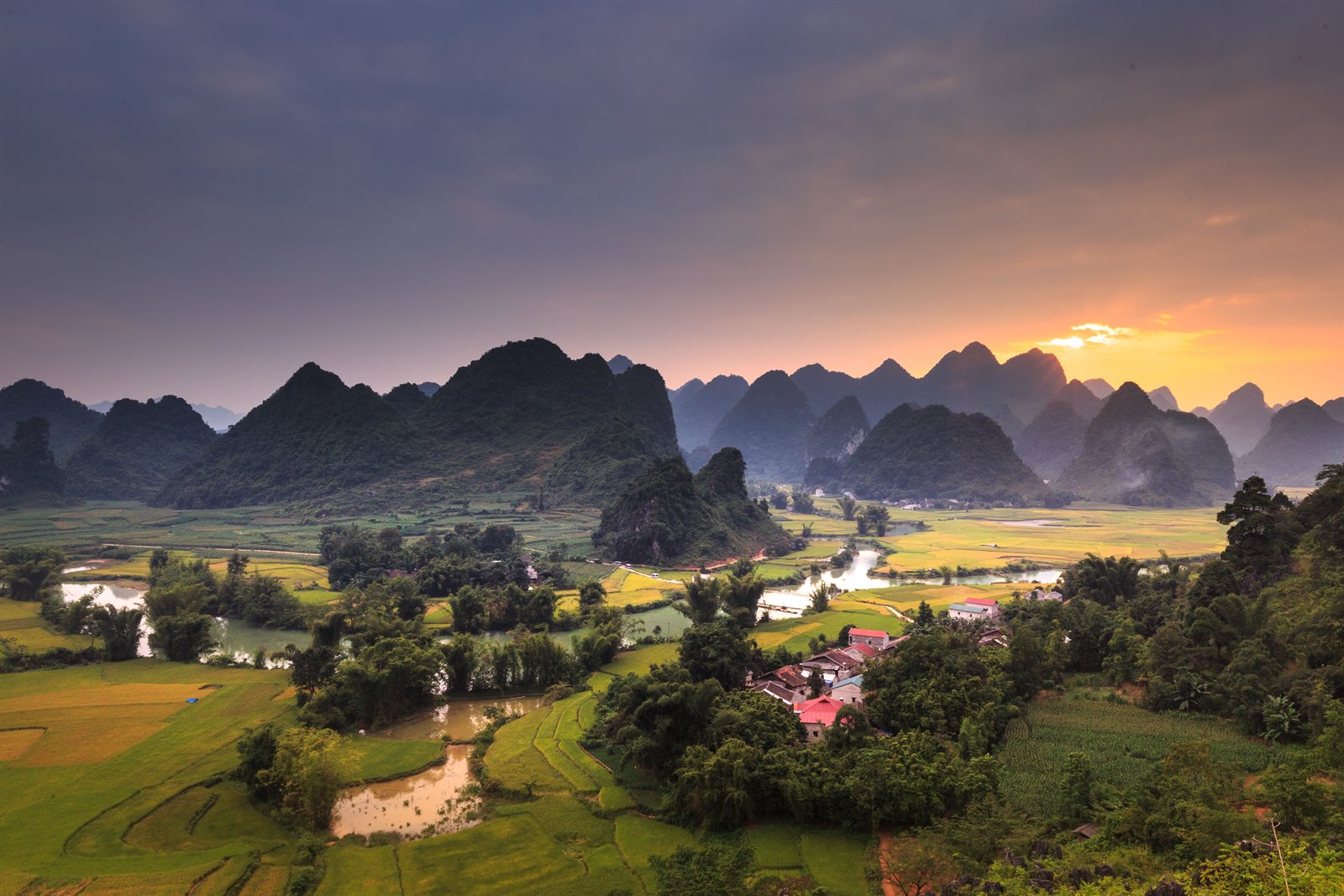
The most famous view comes near Xingping, where the karst towers cluster in a composition so perfect it appears on the twenty-yuan note. Rafts gather here briefly, passengers standing to photograph the panorama, then dispersing again into the quiet. We preferred the stretches between landmarks — the long, unhurried passages where kingfishers flashed blue along the bank and the only sound was water against bamboo.
Guilin's scenery has inspired poets and painters for over a thousand years, and drifting the Li River makes the reason obvious. This is China at its most serene: no crowds, no noise, just the ancient dialogue between stone, water, and sky. Arrive early, choose a small raft over a large cruise ship, and let the river set the pace.