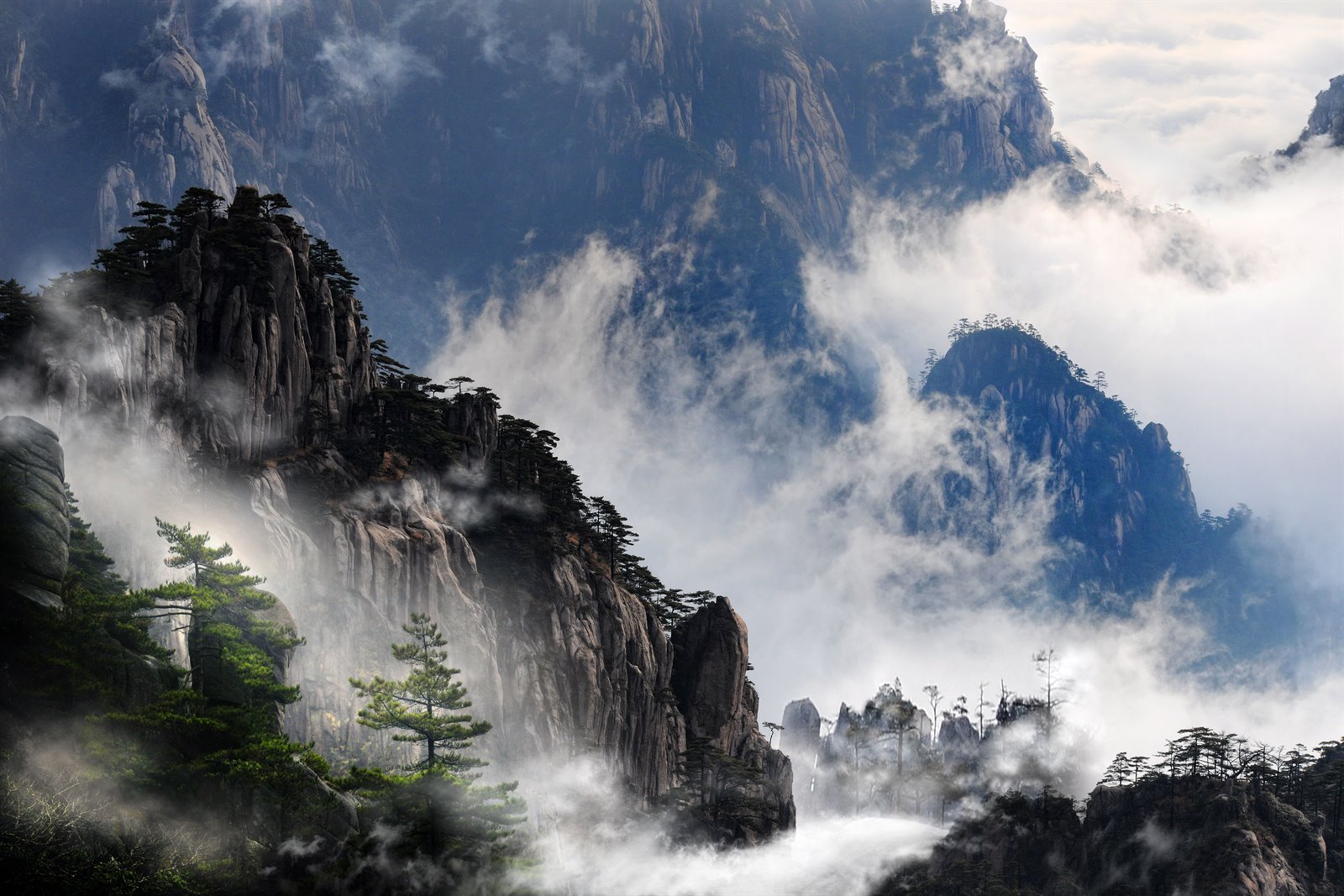
There is a hour at West Lake when Hangzhou belongs to the early risers. We arrived before six, when the causeways were empty and mist hung low over the water, softening the outlines of willows and lotus ponds into something that looked less like a city park and more like a Song dynasty painting come to life. An old man practised tai chi on the Broken Bridge; a woman swept fallen petals from the stone path; otherwise, silence.
West Lake has been celebrated in Chinese poetry and art for over a thousand years. Su Dongpo, the great Song-era poet, served as governor here and dredged the lake; Bai Juyi before him built the causeways that still bear walkers today. To stroll the lake is to walk through layers of cultural memory — each pavilion, each bridge, each bend in the shore named and storied. The famous Ten Scenes of West Lake, from Spring Dawn at Su Causeway to Leifeng Pagoda in Evening Glow, are not marketing labels but lived traditions.

We rented bicycles and circled the lake slowly, stopping at Leifeng Pagoda for views across the water to the city beyond, then at a teahouse near Longjing Village for cups of the renowned Dragon Well green tea. The tea ceremony was unhurried: hot water poured over curled leaves, the first steep discarded, the second sipped while our host explained how Hangzhou's climate and soil produce leaves prized across China. It was the perfect counterpoint to the lake's visual beauty — a taste of the refinement that defines this city.

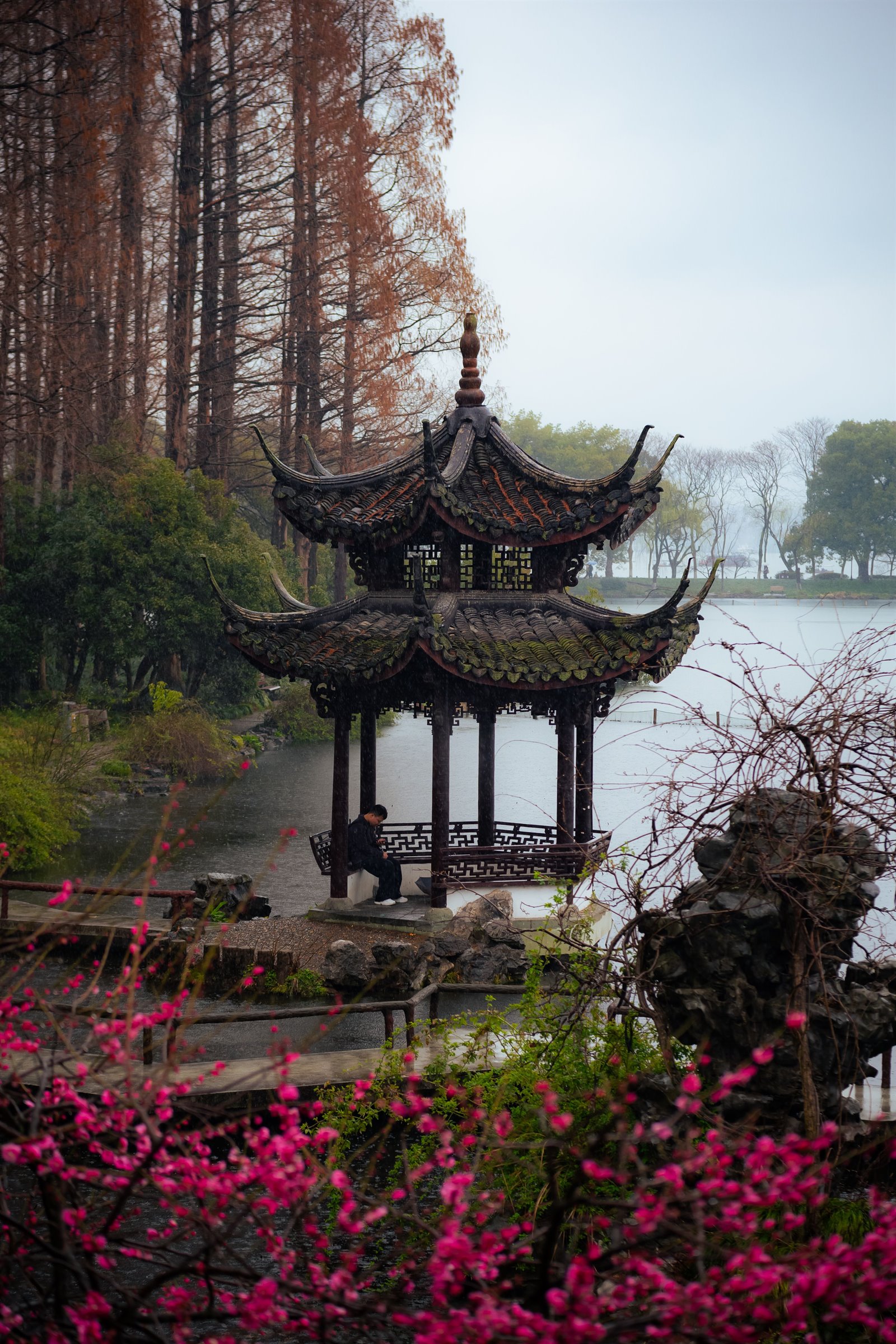
By mid-morning the tour groups arrived and the tranquillity thinned, but Hangzhou handles crowds gracefully. We escaped to the bamboo forests of Yunqi Path, a shaded trail south of the lake where monks once walked between temples, and spent an afternoon among camphor trees so old their trunks require several arms to encircle.
Hangzhou is often described as China's most beautiful city, and West Lake is the reason. Come at dawn, move slowly, and let the landscape do what it has done for centuries — quiet the mind and remind you that some places are timeless.