You cross the moat, pass beneath the Meridian Gate, and step into a world that ordinary people were forbidden to enter for five hundred years. The Forbidden City — now the Palace Museum — is the largest ancient palatial complex on earth, a city within a city of nine thousand rooms spread across seventy-two hectares. Twenty-four emperors of the Ming and Qing dynasties ruled China from behind these vermilion walls, and walking the central axis today still carries the weight of that history.
We booked the first entry slot and entered as the gates opened, ahead of the day's tour groups. The Outer Court unfolded in a procession of vast courtyards and ceremonial halls — the Hall of Supreme Harmony, where emperors were enthroned and imperial examinations were announced, its marble terraces carved with dragon motifs so intricate they seem to move in shifting light. The scale is designed to humble: everything vast, symmetrical, and aligned along a north-south axis that connects the palace to the heavens.

Beyond the Outer Court lies the Inner Court, where emperors lived with their empresses and concubines in a maze of courtyards and pavilions. Here the architecture becomes more intimate — gardens with ancient cypress trees, rockeries, and the Palace of Gathering Excellence where the last empress dowager held sway over a crumbling empire. The Treasure Gallery and Clock Gallery, housed in side halls, display artefacts of staggering craftsmanship: jade, gold, enamel, and mechanical clocks imported from Europe as diplomatic gifts.

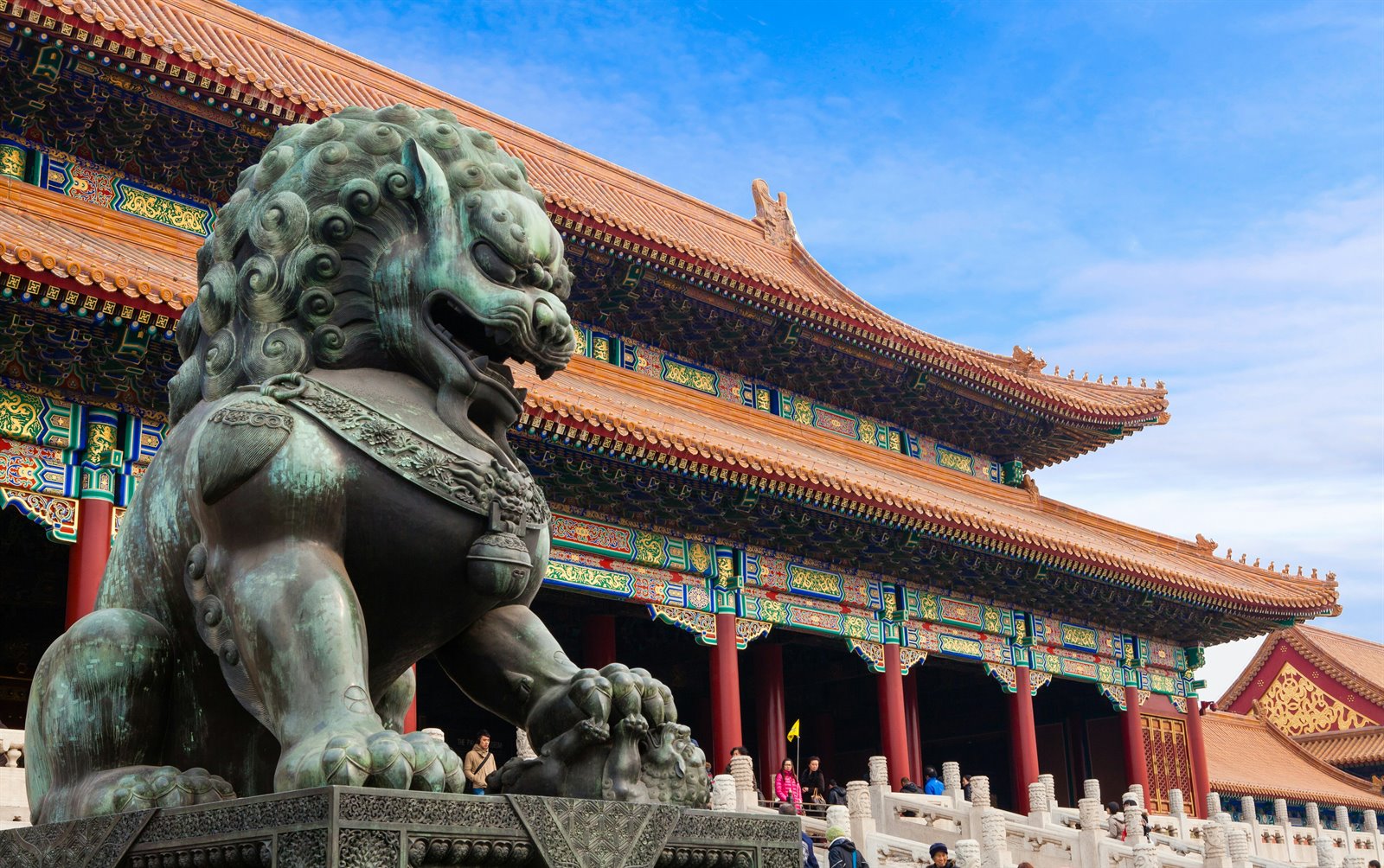
The secret to enjoying the Forbidden City is to venture beyond the central axis. Eastern and western corridors lead to quieter halls and exhibitions that most visitors rush past. The Imperial Garden at the northern end, though small, is a masterpiece of Chinese landscape design — twisted pines, stacked rocks, and pavilions that have remained largely unchanged since the eighteenth century. We sat on a stone bench here and watched sparrows flit between the eaves, the noise of the crowds fading behind us.
Allow a full day, wear comfortable shoes, and reserve tickets online well in advance — daily visitor numbers are capped and sell out quickly. The Forbidden City is not a single building but an entire civilisation compressed into architecture. To walk through it is to walk through the heart of imperial China, room by magnificent room.